Green
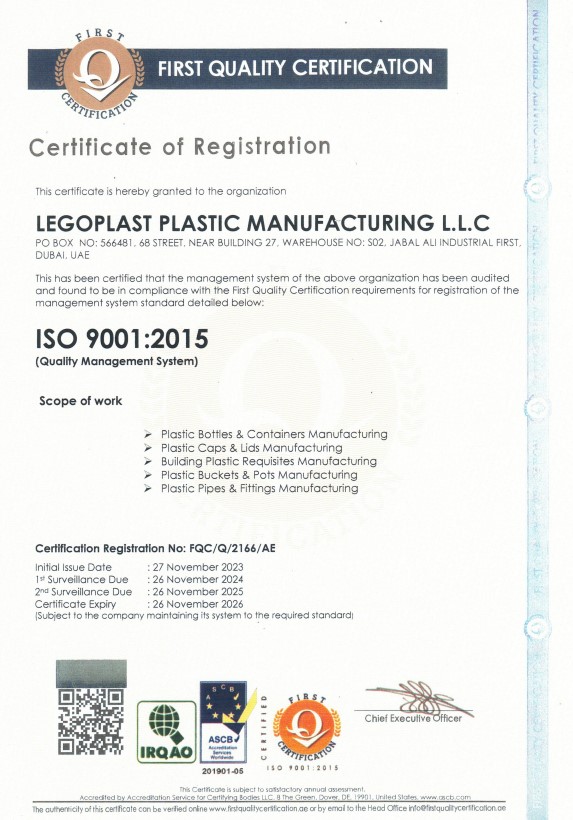
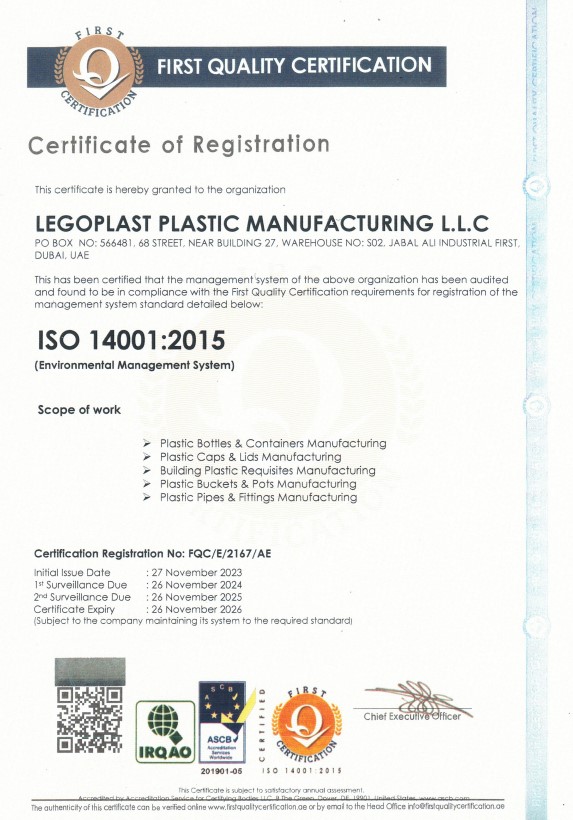
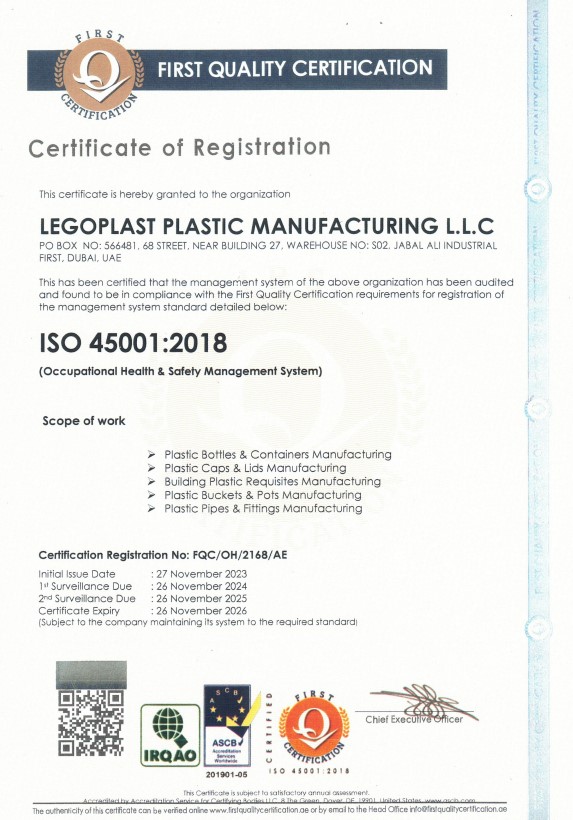
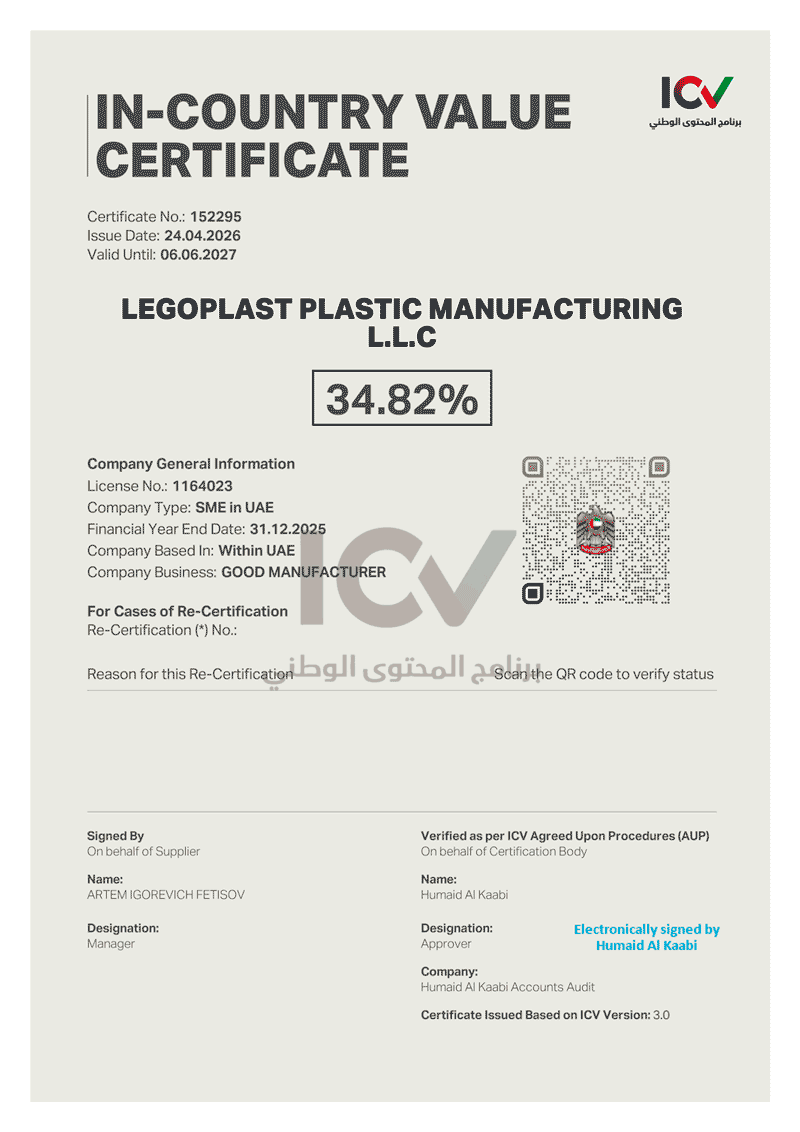
Go green building certificate
Legoplast rebar spacers, multicover blocks, pile cage spacers and shim pads are comprised of 100% post-consumer recycled content by weight. Additionally, the product itself is 100% recyclable.


The adoption of recycled polypropylene promotes sustainable manufacturing practices within the construction industry.
1. Reduced Plastic Waste:
Recycled polypropylene utilizes post-consumer and post-industrial plastic waste, diverting it from landfills or incineration. By repurposing plastic, we contribute to reducing the overall plastic waste burden on the environment.
2. Energy and Resource Savings:
Concrete production is energy-intensive and requires significant natural resources (such as sand, gravel, and water). In contrast, recycled polypropylene requires less energy and fewer raw materials for processing, making it a more resource-efficient choice.
3. Lower Carbon Footprint:
Concrete production generates substantial greenhouse gas emissions due to cement manufacturing. Using recycled polypropylene reduces the carbon footprint associated with construction materials, as plastic processing emits much fewer greenhouse gases.
Using recycled polypropylene contributes to a greener construction industry by addressing plastic waste, conserving resources, and reducing environmental impact
4. Circular Economy Approach:
Recycling plastic into construction materials aligns with the circular economy model, promoting reuse and minimizing waste. It transforms discarded plastic into a valuable resource for sustainable building practices.
Construction companies in the UAE and GCC contributes to reducing their projects' environmental impact by using Legoplast spacers instead of the commonly used concrete cover blocks.
Environmental Product Declaration PDF

CERTIFICATES